Hardware That’s Raising the Bar
2024 is shaping up to be a breakout year for XR hardware. The big players Meta, Apple, and Sony have all dropped serious upgrades aimed at pulling XR deeper into mainstream use.
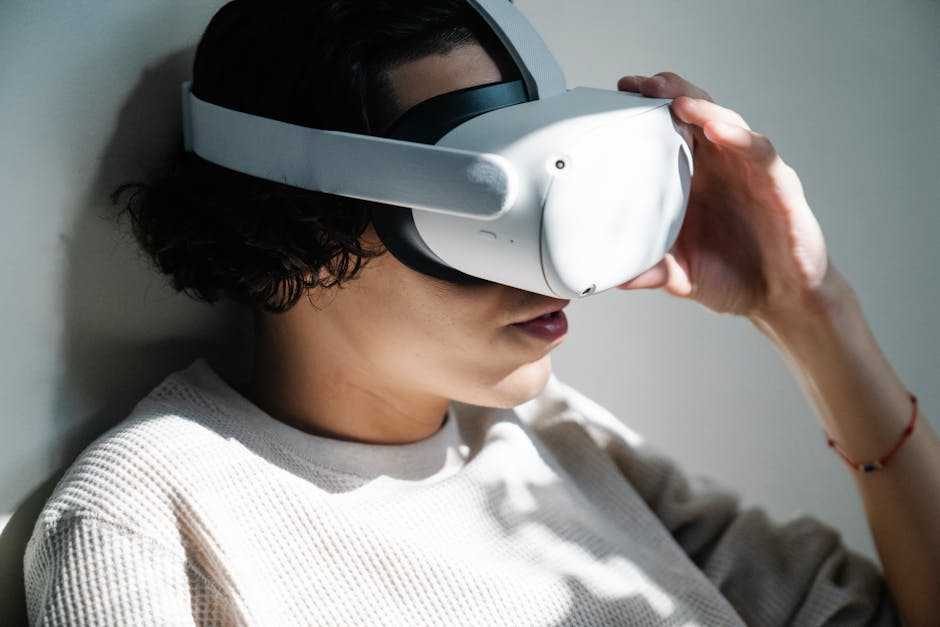
Meta’s Quest 3 doubled down on mixed reality, improving passthrough clarity and upgrading graphics performance without jacking up the price. Apple finally entered the arena with the Vision Pro a powerhouse with ultra sharp displays, laser precise eye tracking, and gesture control polished to a fine point. It’s expensive, yes, but it’s pushed the category forward in ways only Apple tends to. Sony brought its second gen PSVR headset into sharper focus too, increasing resolution and field of view to better serve immersive console gaming.
Under the hood, improvements are stacking up fast. Wider fields of view create less tunnel vision. Higher resolution cuts the screen door effect we all hate. And next gen eye tracking is changing the game not just for foveated rendering (which improves performance), but also for building more believable avatar interactions.
And perhaps the simplest, yet most impactful leap: lighter headsets. Less neck strain, more natural movement, longer sessions. These aren’t just quality of life upgrades they’re the difference between short demos and true, everyday use.
XR Meets AI
AI isn’t just plugging into extended reality it’s reshaping how users experience it. In virtual and augmented environments, smarter, context aware systems are making interactions feel less like watching and more like living. Think virtual assistants that understand tone, environment, and user habits in real time. Imagine an AR overlay that doesn’t just show you restaurant ratings but adjusts them based on your past preferences and allergies.
AI driven avatars are becoming hyper personal, too. These aren’t just digital puppets anymore they’re adaptive, emotionally responsive extensions of the user. Whether it’s designing your virtual fit or holding a real time conversation that reacts to your mood, the line between tool and companion is blurring.
And on the creative side, generative AI is changing the game for XR storytelling. It’s helping creators world build faster, fill in gaps, and produce dynamic scripts and landscapes on the fly. It still takes a human to guide the vision, but AI is doing a lot of the heavy lifting behind the curtain.
In short: XR is gaining a brain and it’s changing everything from interface to immersion.
Real World Use Cases That Went Mainstream

XR finally broke out of the novelty phase now it’s running real operations in industries that never used to touch immersive tech. Training and simulation lead the charge. From aerospace to healthcare, XR is being used to sharpen skills in high risk environments without the real world consequences. It’s efficient, scalable, and more engaging than a PowerPoint deck ever will be. Enterprise budgets are reflecting that.
Retail has gone beyond flashy demos. Virtual try ons and smart fitting rooms aren’t fringe experiments, they’re becoming table stakes. Shoppers expect to see how that jacket fits or whether that couch looks right in their living room before clicking ‘Buy.’ Brands with solid XR experiences are seeing more conversions and fewer returns. It’s pragmatic and profitable.
Then there’s therapy and wellness, an area where XR is making quiet but powerful strides. Immersive environments help patients manage anxiety, work through PTSD, and even reduce chronic pain. It’s not a silver bullet, but clinicians are seeing enough results to integrate XR into long term treatment plans. Sometimes the future shows up not with a bang, but with a breath a headset guiding users through a calmer mental space.
Mobile AR: Still Evolving
As mixed reality headsets continue to develop, mobile augmented reality (AR) remains the most widely accessible and rapidly growing entry point into XR experiences. In 2024, smartphones are still central to mainstream AR adoption and the technology driving them has gotten smarter and more immersive.
Smartphones Still Drive AR Forward
While dedicated XR headsets often grab headlines, it’s mobile devices that remain the gateway for most users. Thanks to increasingly powerful processors, depth sensing cameras, and 5G connectivity, mobile AR continues to scale across both developed and emerging markets.
Billions of AR enabled smartphones in use globally
No additional hardware needed for entry level AR experiences
Seamless integration with apps, commerce, and social platforms
Enhanced SDKs and Optimized Cameras
Developer tools and mobile camera technology have taken major steps forward this year. Augmented reality SDKs (Software Development Kits) like ARKit, ARCore, and web based solutions are unlocking new creative potential while reducing friction.
Key advancements include:
Improved tracking and stability in low light or dynamic environments
Occlusion and depth understanding for more realistic scenes
Real time mesh generation and environmental awareness
These upgrades make it easier for developers to create layered, context rich AR applications.
User Adoption Continues to Climb
AR experiences on mobile from social filters to educational apps and virtual retail try ons continue to draw strong engagement from users around the world. Especially in markets where XR headsets are less accessible due to cost, mobile AR fills the experiential gap.
Retail AR is becoming a standard part of the customer journey
Educational and tourism apps drive interest in new regions
Brands are developing AR first campaigns for mobile audiences
Want to Go Deeper?
For an in depth look at trends, challenges, and innovations in mobile AR, check out: AR on mobile devices
Big Wins for Developers
As the XR ecosystem matures, 2024 is proving to be a breakthrough year for developers. New tools and revenue models are making it easier for teams of all sizes to build immersive experiences that reach broad audiences.
Cross Platform Toolkits Are Gaining Ground
One of the biggest shifts this year has been the growing support for cross platform development environments. Creators no longer have to build separately for each headset or platform.
Key toolkits making development more accessible:
Unity and Unreal Engine: Still the two most dominant engines, both offer robust XR support and growing communities.
WebXR: Emerging as a powerful standard for creating browser based immersive experiences without the need for an app install.
OpenXR: A key initiative helping unify fragmented hardware through a consistent API.
These tools are helping studios future proof their projects and making it easier to launch across multiple platforms simultaneously.
Monetization Is Getting Smarter
For years, XR monetization has been limited and inconsistent. Now, new frameworks are giving developers more reliable ways to earn on their immersive content.
What’s changing:
Subscription services and XR content hubs are making recurring revenue more viable.
Decentralized marketplaces are allowing independent developers to sell directly to consumers.
In experience purchases for upgrades, access, and cosmetic content are becoming more seamless.
As a result, more developers are viewing XR as not just a creative outlet but a sustainable business model.
The Rise of Spatial Storytelling
Indie developers are finding their niche in immersive storytelling. XR allows for narratives that unfold around the user, enhancing emotional impact and interactivity.
Why spatial storytelling is resonating:
It plays to XR’s strengths presence, immersion, and environment driven interaction.
Smaller teams can craft targeted, emotionally rich experiences without massive budgets.
Audiences are increasingly seeking out original, narrative rich content within XR apps.
With creative tools more accessible and business models more viable, indie voices are shaping the next wave of XR innovation through storytelling that is both compelling and personal.
Challenges That Still Linger
For all the flashy demos and real world breakthroughs, XR still has a few heavy anchors. The promise of seamless, interoperable worlds remains just that a promise. Ecosystems are still siloed, with Meta, Apple, and others building walled gardens that don’t play nice with each other. For developers and users alike, jumping between platforms often means re learning interfaces, repurchasing apps, or missing out on features entirely. Lock in is real, and it’s frustrating.
Then there’s the elephant in the room: privacy. Always on spatial computing collects a staggering amount of data where you look, what you do, the space around you. That data fuels smarter experiences, sure, but it also opens up new vectors for surveillance and security breaches. Without tighter regulation and clearer user controls, mainstream adoption will stay cautious.
Lastly, let’s talk price. Even with cost reductions in some hardware lines, high end headsets still carry hefty tags. For the average consumer, upfront XR investment still competes with better established personal tech. Until headsets get cheaper or deliver undeniable, can’t live without it utility adoption will keep growing… just not explosively.
XR isn’t stalling, but it’s not cruising yet. These challenges are bumps in the road, not dead ends but they’re worth watching.
What to Watch as the Year Progresses
As XR matures, several key trends are beginning to shape the landscape in real time. From how we work to how we consume immersive content, here’s what to keep your eyes on as the year continues.
Spatial Computing is Poised to Redefine the Workplace
Extended reality in the workplace is no longer a concept it’s becoming a competitive advantage. Spatial computing allows professionals to visualize complex data, collaborate remotely in 3D environments, and even train employees in realistic simulations.
Virtual offices and hybrid collaboration spaces are gaining traction
XR as a tool is replacing XR as a demo in sectors like architecture, design, and industrial planning
Hands free, spatially aware workflows lead to better productivity and engagement
Subscriber Based XR Experiences Are On the Rise
Recurring revenue models are making their way into XR, with platforms and creators increasingly offering:
Premium immersive content through subscription plans
Exclusive virtual environments and social spaces with ongoing updates
Tiered pricing for commercial vs. personal use
This shift is helping make XR more sustainable for developers and more rewarding for users.
Mobile First AR Continues to Set the Pace
Although full mixed reality systems like Apple Vision Pro get the headlines, mobile AR is still the most widely adopted form of XR. It’s familiar, accessible, and improving rapidly.
Global smartphone use keeps mobile AR on the mainstream map
Enhanced SDKs and AI powered camera functions make mobile AR more immersive than ever
Developers are building AR experiences that require no headsets or hefty hardware investments
For a complete breakdown of mobile AR’s current evolution, check out AR on mobile devices.