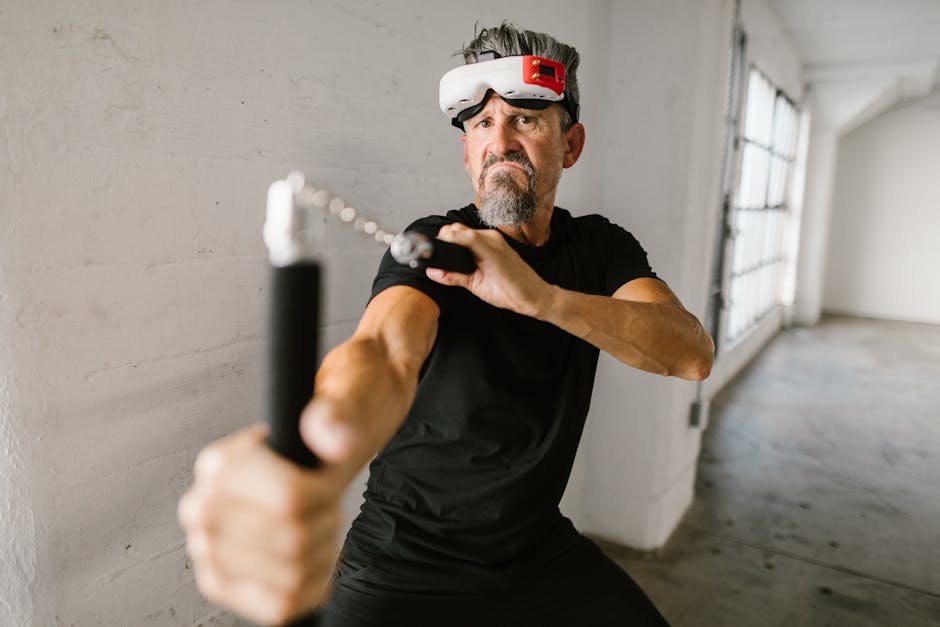
I know how frustrating it is when you need help with VR or AR tech and can’t figure out who to ask.
You’re dealing with a headset that won’t connect. Or maybe you’re trying to understand how VR works in healthcare settings. Could be you just want straight answers about which gaming setup actually delivers.
The problem is simple: VR and AR cover so much ground that finding the right person to answer your specific question feels impossible.
That’s why this page exists.
I’ve built out specialized support across the sectors that matter most in virtual and augmented reality. Hardware troubleshooting. Healthcare applications. Gaming setups. Industry trends. Each area has focused expertise behind it.
We work inside the VR/AR space every day. We test the gear, track the developments, and know where the technology actually works (and where it doesn’t).
This is your central hub for getting answers. I’ll point you to the right resource for whatever you need.
Need immediate help? Call us at 9162314445.
No runaround. Just direct connection to the assistance you’re looking for.
Immediate Support: When and How to Call Us
You need help right now.
Not tomorrow. Not after you’ve filled out three forms and waited for an email response.
Right now.
That’s why we have a direct line: +1 (916) 231-4445.
When you call, you’ll talk to someone who actually knows what they’re doing. No phone trees that loop you back to the beginning. No reading from scripts that don’t answer your question.
When Should You Pick Up the Phone?
Here’s when calling makes sense.
Your headset won’t connect and you’ve got a demo in an hour. You’re trying to figure out if your GPU can handle a new VR setup before you buy. You need to know if we stock a specific component before driving across town.
Those are good reasons to call.
But if you’re just browsing or doing early research? Email or our online resources might be faster for you.
What Happens When You Call
Someone picks up. They ask what you need. Then they either help you on the spot or connect you with the person who can.
Most technical questions get answered right there on the call. Hardware compatibility questions usually take about five minutes (assuming you know your specs).
Our Hours
We’re available Monday through Friday, 9:00 AM to 5:00 PM Pacific Time.
If you call outside those hours, you’ll hit voicemail. We check it regularly but you won’t get same-day help.
Before You Dial

Look, I want to help you fast. But I need some basic info first.
Know your hardware model if you’re calling about equipment. Have your software version handy if it’s a technical issue. If something broke, be ready to describe what happened right before it stopped working.
You don’t need to write an essay. Just the basics so we’re not playing twenty questions.
The number again: 9162314445. Save it in your phone now so you have it when you actually need it.
Inquiries on VR/AR Innovations & Industry Trends
You want real answers about where VR is heading.
Not the polished press releases everyone else recycles. Not the same surface-level takes you can find on a hundred other sites.
I built Core Virtual Tech because I got tired of watching journalists and researchers struggle to find actual experts who understand this space. People who’ve tracked how virtual reality is changing mental health therapies from the ground up.
Here’s what most VR coverage misses.
Everyone talks about the hardware specs. The resolution bumps and the lighter headsets. But almost nobody digs into what’s happening with biometric integration or how eye-tracking data is reshaping user privacy conversations.
That’s where we come in.
What We Cover (and What We Don’t)
I work with journalists and analysts who need more than generic market reports. You’re probably looking for specifics on adoption rates in healthcare settings. Or maybe you need commentary on why certain VR applications failed while others took off.
We can help with that.
If you’re researching emerging tech like haptic feedback systems or spatial audio breakthroughs, we’ve got data. If you need perspective on how AR is actually being used in manufacturing (not how it might be used someday), we can talk.
For media inquiries and research requests, reach out directly at 9162314445. That’s the fastest way to get what you need.
Some people say VR coverage should focus only on consumer gaming because that’s where the money is. They think enterprise applications and therapeutic uses are niche stories that don’t matter.
But that view ignores reality.
The biggest growth right now? It’s happening in spaces most tech blogs don’t even cover. Medical training simulations. Exposure therapy for PTSD. Remote collaboration tools that actually work better than video calls.
We also field partnership inquiries from developers and businesses exploring VR integration. If you’re building something new and want to understand where it fits in the current market, we can point you in the right direction.
What we don’t do is respond to sales pitches disguised as collaboration requests. And we’re not interested in promoting products we haven’t tested ourselves.
Just straight information for people who need it.
Specialized Assistance for Healthcare VR Applications
I’ve watched VR transform healthcare over the past few years.
Not in some theoretical way. I mean real doctors using real headsets to train for real surgeries.
The numbers tell the story. A 2019 study published in the Harvard Business Review found that surgeons trained with VR performed procedures 29% faster than those who used traditional methods (and made six times fewer errors). That’s not a small difference.
But here’s what most people don’t realize.
Getting VR into a hospital or clinic isn’t like setting up a gaming rig at home. You’re dealing with patient data, which means HIPAA compliance. You need hardware that can be sanitized between uses. And your staff needs to actually understand how to use the thing.
Some folks argue that VR in healthcare is still too experimental. They say stick with proven training methods and wait another decade. I get where they’re coming from. Medical mistakes are serious.
But the evidence doesn’t support waiting.
When you look at what’s already working, the case gets pretty clear:
- Surgical training programs at Johns Hopkins are using VR to let residents practice complex procedures without risk to patients
- Pain management clinics are reporting 24% reductions in chronic pain scores when VR therapy is added to treatment plans
- Medical schools are cutting cadaver costs while giving students unlimited practice time
If you’re a medical professional looking to bring VR into your practice, you need support that understands both the tech and the clinical side. That means finding people who know the difference between consumer VR and medical-grade systems.
The same goes for developers building healthcare VR apps. You can’t just port over what works in gaming. Patient data security isn’t optional. Neither is accuracy when you’re simulating a surgical procedure.
I’ve seen what happens when teams try to figure this out alone. They waste months on hardware that doesn’t meet clinical requirements or build beautiful apps that can’t pass compliance reviews.
The questions I hear most often are pretty consistent. What headsets work in sterile environments? How do you handle patient data without violating privacy laws? What’s the actual ROI when you factor in training time?
These aren’t simple questions. But they have answers.
Take the work being done in phobia treatment. Patients with severe anxiety disorders are using VR exposure therapy with success rates that match or beat traditional methods. The difference? VR lets therapists control the environment completely and repeat sessions without the logistical nightmare of real-world exposure.
Pro tip: If you’re evaluating VR for clinical use, start with a pilot program in one department. Get feedback from the people who’ll actually use it daily. That data is worth more than any vendor pitch.
The shift we’re seeing isn’t just about cool technology. It’s about better outcomes. When a surgical resident can practice a procedure 50 times before touching a real patient, everyone wins.
Similar to what’s happening with revolutionizing automotive training with VR simulations a look into the future, healthcare is finding that hands-on practice in virtual environments builds skills faster than traditional methods.
If you need specific guidance on implementation, whether you’re a hospital administrator or a developer building HIPAA-compliant apps, the key is finding support that’s worked with medical VR before. Not just VR in general.
For consultations on successful deployments or technical questions about integrating VR into your clinical workflow, reach out at 9162314445. I’d rather you get it right the first time than waste budget on systems that don’t fit your needs.
Guidance for the VR Gaming Community
You’ve got your headset. You’re ready to jump into VR.
Then your controllers stop tracking mid-game.
Or your frame rate tanks the second things get intense. Or you spend an hour trying to figure out why your new racing wheel won’t connect to your standalone headset.
I hear about these problems every day at 9162314445.
Here’s what most people don’t realize. VR issues usually fall into two camps. Either it’s a gamer trying to fix something that’s broken, or it’s a developer trying to build something that works.
Let me break this down.
For gamers, you’re dealing with tracking glitches, stuttering performance, or peripherals that won’t play nice. You just want to play. The fix might be adjusting your play space lighting or tweaking your graphics settings. Sometimes it’s as simple as restarting your headset (yeah, I know).
For developers, the challenge is different. You’re wrestling with Unity versus Unreal Engine integration. You’re trying to implement SDKs that weren’t designed for your specific use case. VR development has its own rulebook.
Some people say you should stick with one platform and ignore compatibility issues. Just build for Quest or just build for PC VR.
But that cuts out half your potential players.
The better approach? Understand how hardware compatibility actually works across platforms. PC VR setups handle processing differently than standalone headsets. What runs smooth on a gaming rig might choke a mobile processor.
I also get questions about community stuff. Beta testing opportunities. Developer showcases. Sponsored events where you can actually try new tech before it hits the market.
Those connections matter. They’re how you stay ahead of what’s coming next.
Alternative Ways to Reach Us for Non-Urgent Matters
Phone not your thing? I get it.
Sometimes you need to send a screenshot or you just prefer writing things out. That’s why we’ve set up a few other ways to get help.
Email Support
Send detailed questions to our support team. This works great when you need to attach log files or screenshots. You’ll get a real person reading your message, not a bot.
Expect a response within 24 business hours.
Online Contact Form
Fill out a quick form on our site. It asks for the right details upfront, which means we can help you faster. No back and forth trying to figure out what you need.
Support Portal
Want to track your request? Our portal lets you see exactly where things stand. You can also check your past conversations if you need to reference something later.
Here’s what this means for you. You pick the method that fits your schedule. Need to send something at 2am? Go ahead. Want to attach five screenshots? No problem.
If you prefer talking it out, call us at 9162314445.
Otherwise, pick whichever option makes sense for your situation. We’ll get back to you either way.
Your Partner in Virtual and Augmented Reality
We’ve shown you all the avenues available to get the exact help you need.
Your search for expert VR/AR assistance ends here.
The core challenge isn’t navigating this field alone anymore. It’s knowing who to ask.
Our multi-channel support system works because it’s staffed by specialists who care about this technology. They live and breathe VR/AR every day.
You came here looking for answers. Now you know where to find them.
Whether you need immediate help or detailed guidance, take the next step. Call us at +1 (916) 231-4445 or use one of our other contact methods today.
We’re here because VR and AR technology shouldn’t be confusing. It should be accessible to everyone who wants to explore it.
Your next move is simple: reach out and let us help you solve whatever challenge brought you here.