What Makes VR a Game Changer in Stroke Rehab
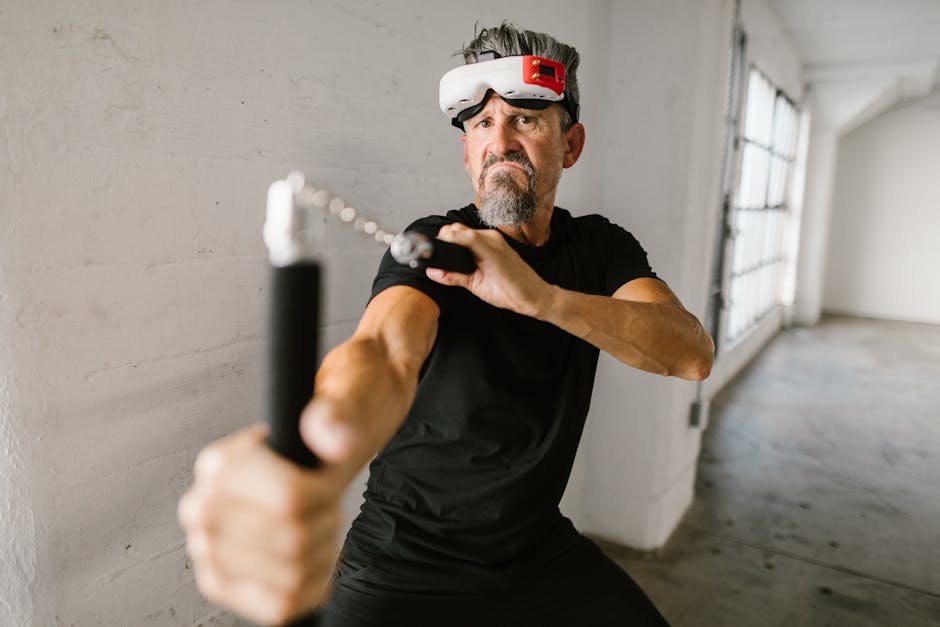
When it comes to stroke recovery, repetition is critical but repetition alone isn’t enough. Rehab that stimulates the brain while pushing the body is where the real breakthroughs happen. That’s where virtual reality (VR) makes its mark. Immersive environments do more than distract; they actively help the brain rewire itself. Patients aren’t just going through the motions they’re reacting, processing, and recalibrating in real time.
Traditional therapy often struggles to keep both the body and mind equally challenged. VR bridges that gap. When a patient reaches to grab a virtual object or navigate a digital obstacle course, they’re engaging motor skills and cognitive processing at once. It’s not passive. It demands focus, timing, and decision making exactly what the brain needs to rebuild lost connections.
What seals the deal is motivation. Standard exercises can get monotonous fast. VR adds game mechanics that reward effort, track progress, and adjust challenges to keep things fresh. Patients become active participants in their recovery, not just patients doing time. That shift mental and emotional can make all the difference in long term outcomes.
How It Works: Inside a VR Therapy Session
Step into a VR rehab session and you’re met with more than flashy visuals it’s functionality with a purpose. The core idea is simple: simulate everyday actions in a controlled digital world. That can mean reaching for a virtual cup, walking across a street, or brushing simulated teeth. These aren’t random games; they’re carefully designed tasks mapped to real life motor functions people need to regain.
What sets VR apart is the real time feedback loop. Instead of waiting for a therapist’s correction, patients get immediate visual or auditory prompts guiding their movement. That kind of instant feedback helps fine tune motor control, rewiring brain muscle pathways in the moment, not hours later.
Difficulty isn’t one size fits all. Sessions can scale effortlessly from passive range of motion work for beginners to coordination heavy sequences for those further along. This customizable load keeps therapy challenging, but not discouraging ensuring steady progress without burnout. It’s rehab that adapts as the patient grows stronger.
Key Advantages Over Traditional Methods
Repetition is king when it comes to stroke recovery but traditional therapy can push the body beyond its comfort zone, sometimes risking setbacks. VR changes that. With virtual reality, patients can perform hundreds of reps in a single session with far less physical strain. Movements are guided, supported, and scaled to fit individual capabilities. That opens the door for more frequent training without wearing people down.
The safety factor is big too. VR allows patients to walk streets, climb stairs, or reach for objects all without leaving the room or risking a fall. The environment is fully controlled, making it ideal for those early or fragile stages after a stroke.
Perhaps most importantly, VR makes practice reliably consistent. No two therapy sessions are exactly the same in a traditional setup depends on the therapist, the timing, the mood. VR removes the guesswork, repeating the same high quality tasks with precision. For the brain, that kind of regular input is gold. It shapes new neural pathways, and it sticks.
Clinical Evidence and Success Stories
In the last two years, clinical studies have pushed VR therapy from an experimental side note into a serious contender in stroke rehabilitation. A 2023 study published in the journal NeuroRehab Insight tracked over 500 stroke patients using VR based recovery programs. The result: those in the VR group showed a 40% improvement in motor function over traditional therapy especially in upper limb coordination and balance.
For therapists, the draw is more than just the numbers. VR allows for targeted repetition, consistent feedback, and patient specific progressions all wrapped in an engaging framework. Rather than coaxing effort from tired minds and bodies, VR nudges patients into meaningful motion through immersive, game like scenarios. This kind of active participation boosts neuroplasticity that’s the brain’s way of rewiring post stroke and helps reduce long gaps between effort and reward.
And the real world impact? Hard to ignore. Patients who’d plateaued in standard rehab stuck in limited mobility or mental fatigue cycles found new momentum with VR. One case involved a retired schoolteacher in her 60s who regained enough shoulder control to paint again after three months with a VR program focused on simulated object manipulation. Therapists now lean on these systems when motivation stalls and physical therapy alone isn’t cutting it.
For more on the science behind the results, see Learn more: stroke recovery therapies.
The Future of VR in Neurorehabilitation
The next chapter of stroke rehab is going beyond the headset. Haptic feedback is starting to give patients a real sense of touch during virtual tasks like feeling the grip of a virtual doorknob or the weight of a simulated object. AI coaching is no longer a sci fi fantasy either. Think real time corrections, encouragement, and adaptive programs that adjust to a patient’s pace and progress all without needing a clinician in the room every session.
At home recovery is also getting stronger legs. Lighter equipment, better software, and smarter tracking mean more people can now continue rehab from their living room without sacrificing quality. This isn’t just more convenient it’s closing the gap for those who live far from rehab centers or can’t visit regularly.
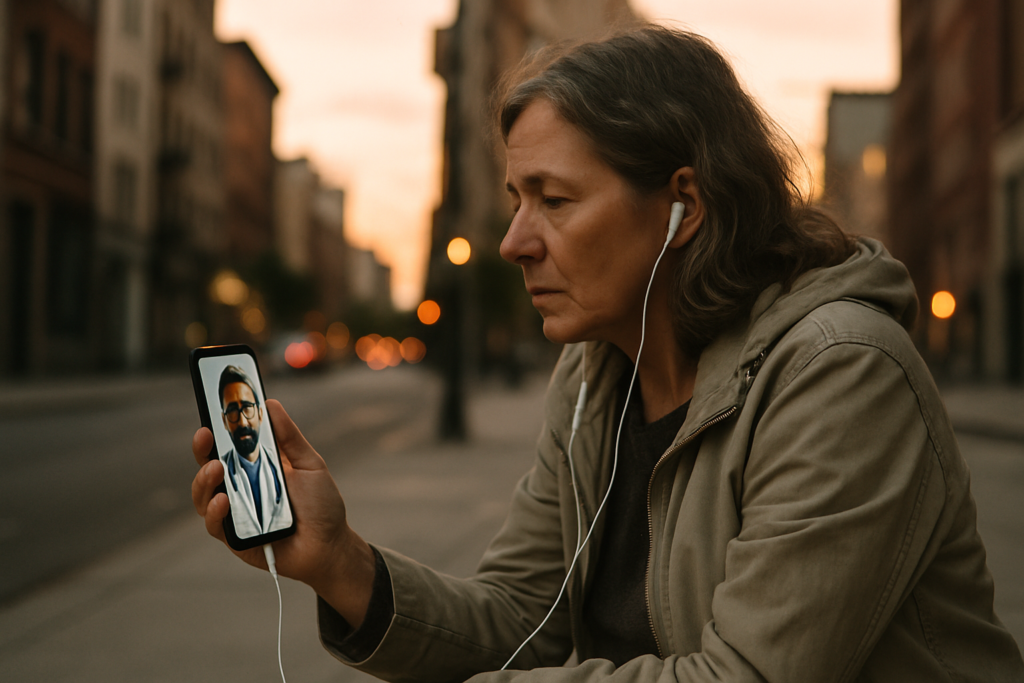
Then there’s the hybrid model: VR headsets paired with wearables that monitor heart rate, motion, and muscle engagement, all feeding data to therapists remotely. It’s clinical insight in real time, without the clinic. As costs drop and tech gets simpler to use, this model could become the new standard.
Explore further: stroke recovery therapies