Why 2026 Is a Big Year for VR Innovation
It’s no longer just a gamer’s playground. VR has quietly stepped out of its niche and into the mainstream, and 2026 is when it all starts to scale. We’re seeing the shift in the hardware, the software and the people using it. Business meetings, remote surgery, virtual classrooms, immersive therapy. All happening now. All being actively reimagined by startups with more vision than baggage.
And the fuel? Capital. Lots of it. Venture firms and tech giants are dropping serious money into next gen VR platforms, some raising 9 figure rounds before even hitting market. That cash is pushing prototypes into polished products faster than ever. And it’s drawing top talent from legacy tech engineers, designers, and operators who see where this is heading.
On the demand side, interest is heating up across the board. Consumers want richer, more social experiences. Enterprises are hungry for better (and remote friendly) collaboration tools. Educators are eyeing VR to turn passive learning into something students actually remember. It’s not hype anymore. It’s competitive advantage.
2026 isn’t just another chapter it’s a turning point. VR is finally big enough to matter and nimble enough to evolve.
LumaLoom
LumaLoom is betting big on sensation. This startup has moved past just sight and sound, dialing up immersion with full sensory VR wearables. We’re talking haptics that simulate both touch and temperature no more flat, sterile experiences. Whether you’re feeling a sword clash or the warmth of digital sunlight, LumaLoom is building tech that bridges the gap between real and rendered.
Their early focus is immersive entertainment and therapy, where realistic sensory feedback can deepen emotional engagement or reinforce cognitive patterns. It’s not all theory either LumaLoom is already running pilots with several major theme park franchises. The testing grounds include walkable, interactive VR spaces where guests don suits and feel everything from jungle mist to dragon fire.
The hardware is sleek, surprisingly lightweight, and rumored to be API friendly. If the pilots go well, LumaLoom could become the standard for sensory aware VR especially in sectors looking to differentiate with more than just pixels.
The Role of AI: Quietly Radical

AI has moved from backstage to front and center in VR. It’s no longer just processing loads or running background scripts it’s actively shaping how virtual worlds feel and respond. From dynamic lighting to NPCs that react in real time, AI is helping create immersive environments that don’t just look smart they behave that way too.
One big win? Lower latency. With AI driven optimization, users don’t experience that split second lag that can kill immersion. Environments adjust on the fly, whether it’s refining spatial audio or adjusting a narrative based on user interaction. It’s personalization built into the core.
Startups that get this right those tightly integrating AI into every layer of their stack aren’t just building tools; they’re crafting experiences that adapt, think, and feel alive. These players are edging out competitors who rely on static design and predictable scripts.
For a closer look at how this shift is unfolding, check out AI in virtual reality.
What to Keep an Eye On
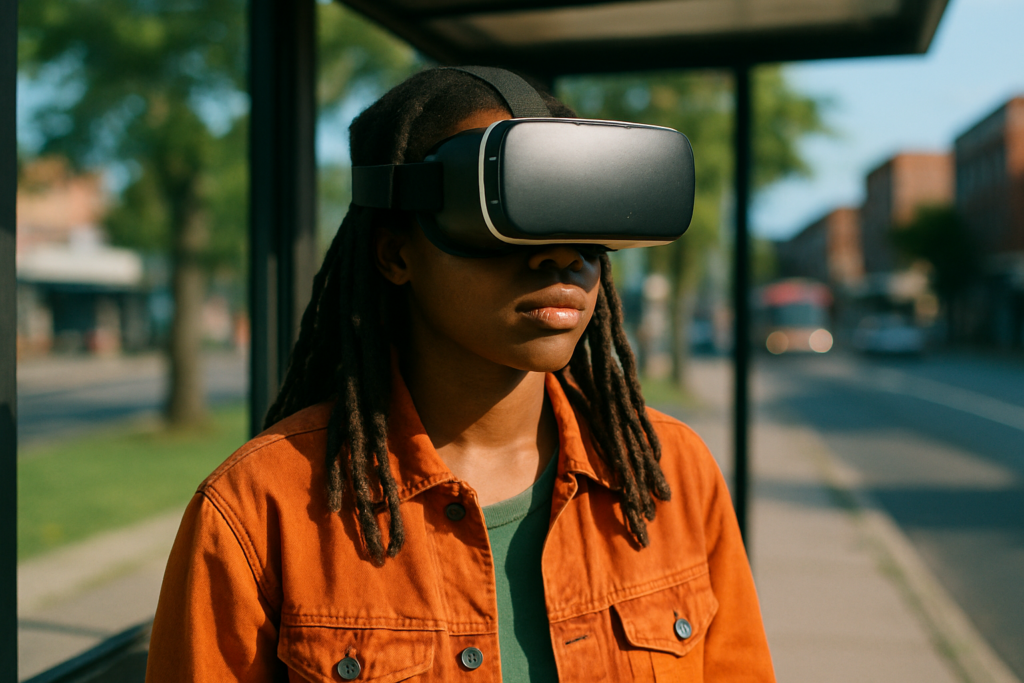
Breakthroughs in hardware are driving VR out of its boutique corner and onto more heads. New headsets are lighter, cheaper, and less cable dependent. Startups are ditching the clunky stuff and pushing toward streamlined, plug and play experiences. That’s lowering the barrier for entry finally and opening up new use cases beyond the gaming crowd.
But as devices get more intimate tracking eye movement, facial expression, even emotional response privacy is looking less like a footnote and more like the headline. Biometric data regulations are catching up to the tech, fast. Startups will need to bake compliance and transparency into their stack, or face a wall of legal heat.
Then there’s the Web3 connection. Identity is becoming a big deal in virtual spaces, and decentralized protocols are starting to offer users more control over who they are in immersive worlds. For creators and users alike, this means a future where digital presence isn’t just rented from big platforms it’s owned.
These startups aren’t just riding the VR wave they’re reshaping it. Keep them on your radar.