How VR is Changing Remote Healthcare
Telemedicine has made impressive strides over the past decade, evolving from simple phone consultations to advanced digital platforms. Now, with the integration of Virtual Reality (VR), it’s taking an even bigger leap transforming how healthcare is delivered remotely.
The Shift: From Phone Calls to Immersive Care
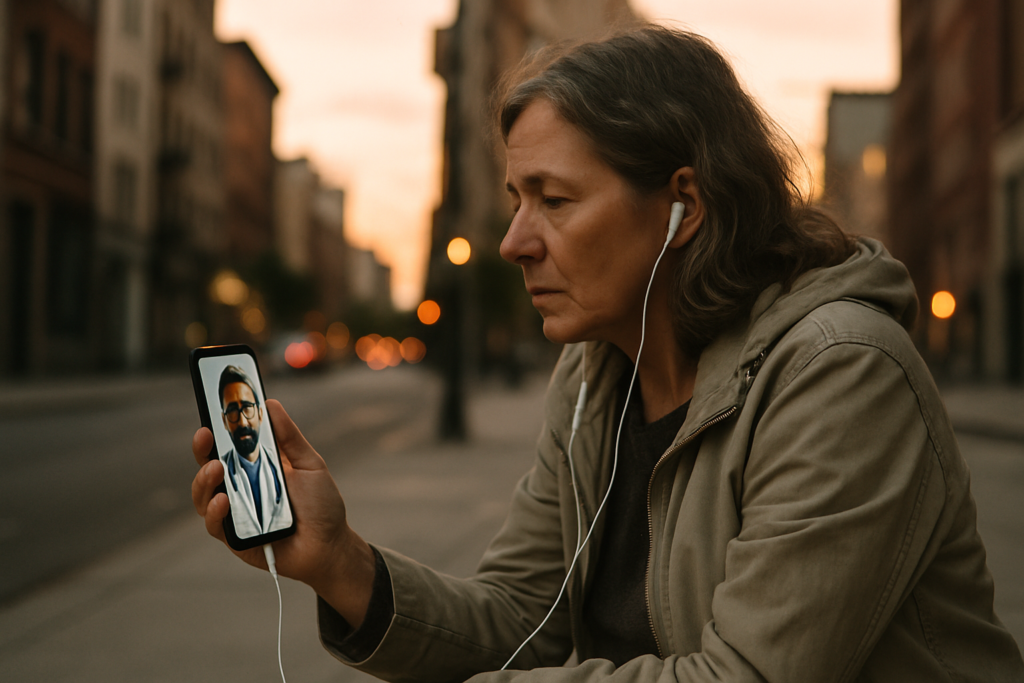
Traditional telemedicine was largely reliant on voice or video calls, which often lacked the nuance of in person interaction. VR changes that dynamic. It brings patients and healthcare providers into shared virtual spaces that feel more immediate and engaging.
Key shifts include:
Transitioning from 2D screens to immersive 3D environments
Increased realism that improves human connection and understanding
Opportunities for multisensory communication beyond voice and video
Virtual Consultations in 3D Environments
With VR, remote consultations can now occur in fully immersive clinical settings. Patients can don a headset and find themselves in a virtual room face to face with a doctor represented by an avatar. Visual tools and 3D models help explain complex medical issues.
Highlights:
Real time interaction inside virtual clinics
Doctors can use visual aids like 3D anatomy to explain diagnoses
Patients engage more actively, improving comprehension and comfort
Enhancing Interaction Through Spatial Context
Spatial presence enables more human like conversations. Gestures, eye contact, and posture cues often missing in video calls are reintroduced in VR spaces, improving understanding and empathy.
Benefits include:
Richer, more personal communication than flat video screens
Easier navigation for doctors assessing non verbal cues
Stronger rapport for building trust with long term care patients
By adding depth, realism, and spatial awareness to virtual consultations, VR is poised to make remote care feel less remote and much more real.
Key Benefits of VR Powered Telemedicine
Virtual reality isn’t just for gaming anymore it’s moving into living rooms and rehab centers, and it’s making real changes. Remote physical therapy is the standout. With motion tracking and real time feedback, patients can perform guided exercises from home while staying connected to their therapist. No more rearranging entire days for clinic visits.
Patients are also beginning to understand their care on a deeper level. Virtual walkthroughs of procedures like joint replacements or post op care let people see what’s happening to their bodies before it happens. That kind of visual context means fewer surprises, better compliance, and calmer recovery.
The upsides go beyond convenience. Reducing travel lowers exposure risks for immunocompromised patients and trims down the anxiety that comes with hospital environments. It’s not just easier it’s safer.
And let’s not forget that clinicians benefit too. VR simulation is becoming a staple in medical training. From practicing surgical techniques to diagnosing in immersive scenarios, professionals can sharpen their skills without booking an operating room or putting real patients at risk.
Real World Applications on the Rise
Virtual reality is rapidly moving from experimental pilot projects to practical applications in remote healthcare. Here are four key areas where VR is already making an impact:
Mental Health Therapy in VR
Mental wellness is a major frontier for virtual care. Therapists and clinicians are using customized VR environments to help patients manage conditions with immersive, interactive tools.
Meditation and mindfulness scenarios help patients regulate stress and anxiety.
Cognitive Behavioral Therapy (CBT) sessions are enhanced with simulated environments tailored to patients’ triggers.
Exposure therapy is made safer and more controlled in virtual spaces, particularly for phobias and PTSD.
VR Rehabilitation for Stroke and Injury Recovery
Rehabilitation often requires repetitive exercises and guided movement. In a VR setting, these routines are more engaging, more accurately tracked, and easier to access from home.
Patients can perform personalized therapy exercises with real time feedback.
Clinicians monitor progress remotely and adjust programs dynamically.
Motivating game like environments help boost adherence to recovery plans.
Chronic Pain Management
VR has emerged as a promising tool in pain reduction by offering cognitive distraction and immersive sensory engagement.
Users are transported away from their physical setting with interactive, calming visuals.
Studies show a reduction in pain perception during and after VR sessions.
It’s being used alongside medication to reduce overall reliance on pharmaceuticals.
Post Operative Recovery and Virtual Check ins
Follow up care after surgery traditionally means travel and clinical visits. VR makes this process more efficient and less stressful for recovering patients.
Immersive consultations help clinicians assess healing in a simulated spatial context.
Patients receive step by step recovery instructions through guided virtual sessions.
Real time check ins in VR environments support adherence to post op care plans.
As healthcare looks to increase convenience while maintaining personalization, these real world VR applications are setting a new standard for what’s possible outside the clinic.
Technology Behind the Progress

As virtual reality continues to transform telemedicine, it’s the underlying tech stack that makes these advancements possible. From hardware evolution to scalable cloud solutions, the infrastructure supporting VR powered care is expanding rapidly.
Core Components of VR in Telemedicine
Hardware That Brings Experiences to Life
VR’s effectiveness in healthcare hinges on physical tools that deliver immersive experiences:
VR Headsets: Lightweight, high resolution devices like the Meta Quest or HTC Vive provide accessible options for patients and practitioners.
Motion Sensors: Capture body movements to enable interactive therapy, remote physical assessments, and accurate motion tracking.
Haptic Feedback Devices: Allow users to feel resistance, textures, or forces crucial in medical simulations or physical rehabilitation.
Software Platforms for Seamless Integration
Behind the scenes, integrated VR platforms are essential for clinical use:
EMR Connected Systems: Synchronize with electronic medical records to streamline workflows and ensure accurate documentation.
User Friendly Interfaces: Designed with accessibility in mind to accommodate both patients and practitioners with various tech proficiencies.
Customizable Environments: Tailor settings based on patient needs whether it’s a guided meditation room or a virtual surgical suite.
Scalability Through Cloud VR Solutions
To reach patients across geographic and socioeconomic boundaries, VR in healthcare is moving to the cloud:
Remote Access: Patients can connect to therapies and consultations without in person visits, reducing barriers to care.
Data Storage and Synchronization: Cloud platforms ensure consistent access to treatment history and session progress.
Enterprise Level Scalability: Clinics and healthcare systems can roll out services efficiently with centralized updates and support.
The synergy of innovative devices, smart platforms, and cloud driven access is making VR powered telemedicine more practical, reliable, and accessible for real world care.
Challenges Still to Solve
As virtual reality makes deeper inroads into telemedicine, several critical challenges remain. These hurdles must be addressed for VR powered healthcare to become safely scalable and widely adoptable.
Accessibility: Closing the Tech Gap
While VR’s potential in remote healthcare is significant, access remains uneven.
High hardware costs: VR headsets and related equipment can be costly for individual patients and smaller clinics.
Internet infrastructure: Reliable, high speed broadband is still a barrier in rural or underserved areas where remote healthcare is often most needed.
Technical literacy: Not all patients or even providers are comfortable navigating immersive technology platforms.
Data Privacy and Security in VR
Healthcare data privacy is non negotiable, but immersive environments pose new complexities.
Sensitive data exposure: 3D environments may record user preferences, gestures, even physical responses raising unique data protection concerns.
Compliance obstacles: Existing HIPAA and GDPR frameworks must be adapted to safeguard data in real time, interactive VR sessions.
Authentication and access control: Secure, password protected access to virtual sessions is a must but so is ensuring ease of use.
Clinical Validation and Safety Protocols
The effectiveness of VR treatments in telemedicine must be backed by solid, clinical evidence.
Evidence based design: Tools used must align with proven treatment methods, not just engaging visuals.
Standardized guidelines: Lack of regulatory frameworks can lead to inconsistencies in quality and patient outcomes.
User safety: VR can cause motion sickness or disorientation; proper calibration and risk assessment protocols are crucial.
To unlock VR’s full potential in medicine, these challenges call for collaboration across tech developers, healthcare professionals, policymakers, and patients. Solving them is essential not just for adoption but for safe, equitable scale.
Staying Ahead of the Curve
Hospitals aren’t waiting around for telemedicine trends to pass they’re building the infrastructure now. Major healthcare systems are teaming up with startups to roll out scalable VR platforms that go beyond pilot programs. Think: remote rehab that doesn’t rely on a therapist being in the room, or exposure therapy that patients can repeat from home when they need it most.
One key step in this growth? Training. Clinicians need to understand how to prescribe VR sessions just like they would medication or physical therapy. And they’re learning fast. VR isn’t just a gadget it’s becoming a clinical tool, and doctors are getting fluent.
The early movers are already seeing the payoff. Faster recovery timelines, improved patient satisfaction scores, and more flexible treatment plans all signs point to VR enhanced care becoming part of the backbone of telehealth.
To explore the next wave of telehealth through immersive tech, check out how telemedicine with VR is pushing remote care into the future.
What’s Coming Next
Telemedicine in VR isn’t just about digital doctor visits it’s heading toward an intelligent, always on healthcare ecosystem. Artificial intelligence is stepping in to help predict, not just diagnose. Layered with VR, AI can analyze subtle patient cues in real time posture, eye movement, voice tone and flag early signs of health issues that might slip past a conventional screen.
But this only works if the hardware keeps up. That’s why we’re seeing a push for cross platform compatibility. Patients shouldn’t need a $1,000 headset to access immersive care tools. Startups and major platforms alike are working toward experiences that function across devices, from high end setups to everyday smartphones with simple viewers. The goal: make health tech as accessible as a text message.
The long game is clear. Imagine a future where you can slip on a lightweight device and enter a personalized diagnostic space, get real time feedback, and speak to a doctor all without leaving your home. Not science fiction anymore, just the next user interface for care delivery.
Want more on what’s next? Dive into telemedicine with VR and see how the landscape is evolving.