Smarter, Lighter Hardware
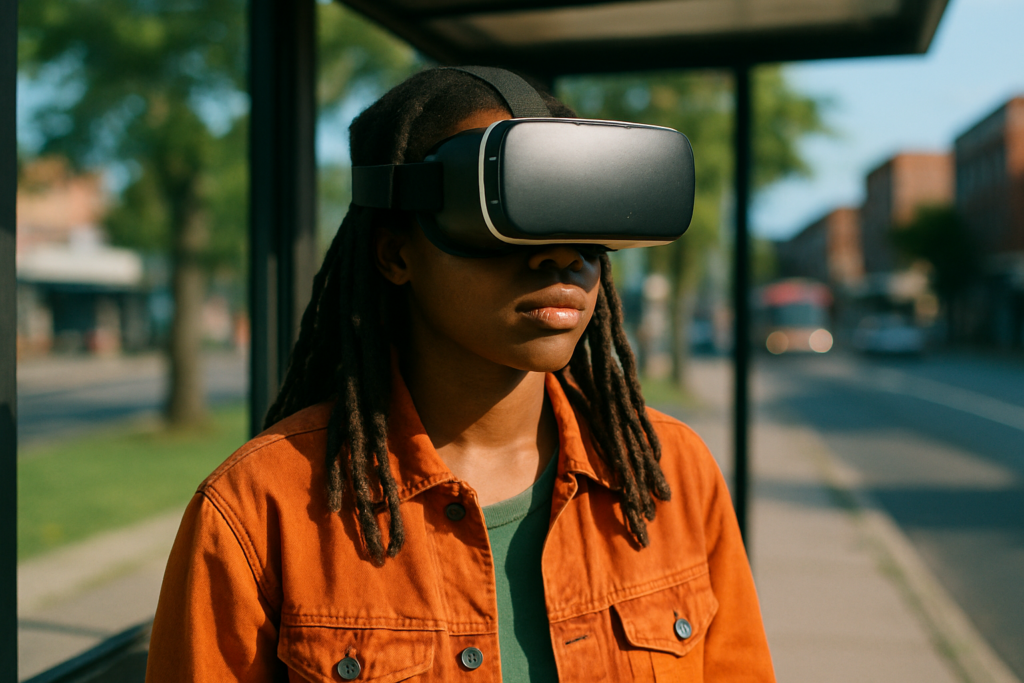
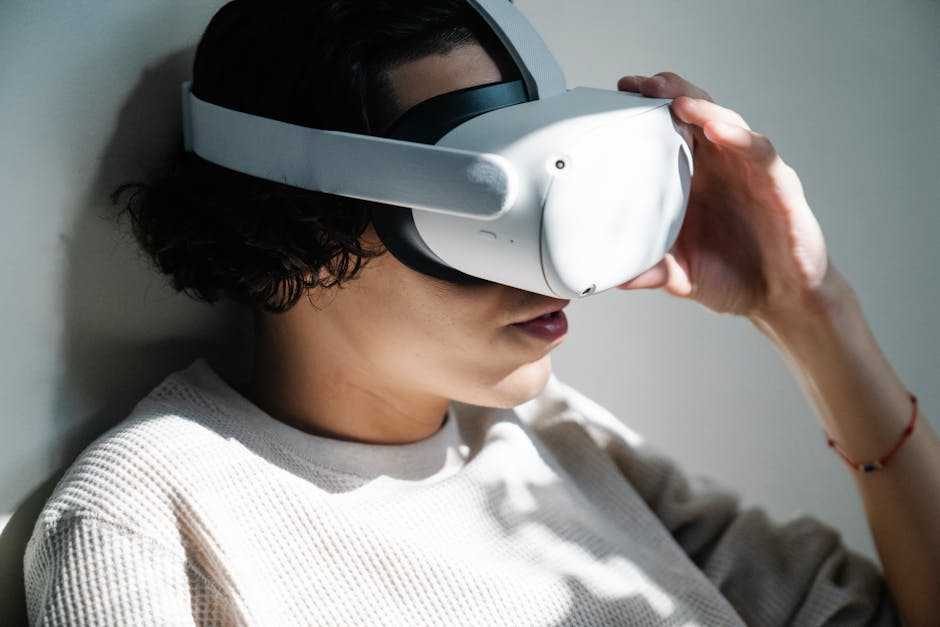
As we approach 2026, VR hardware is undergoing a major transformation. The clunky, tethered devices of the past are giving way to sleek, standalone systems that prioritize comfort, immersion, and usability.
From Bulky to Streamlined
Modern VR headsets are getting smaller and significantly more comfortable, enabling users to stay immersed for longer without discomfort.
All in one designs reduce the need for external sensors and cables
Sleeker profiles mean lighter gear and easier mobility
Headsets now support plug and play performance for both work and play
Comfort That Scales
Hardware manufacturers are investing in long session ergonomics. Whether it’s for gaming, simulation, or enterprise use, comfort is now a core design principle.
Adjustable headbands reduce pressure points
Breathable, hypoallergenic materials support extended wear
Improved balance and weight distribution ease neck strain
Immersion Through Technology
2026 marks the mainstream integration of advanced features once seen as cutting edge. Eye tracking, detailed haptic response, and enhanced spatial sensing are now standard.
Eye tracking enables intuitive interface navigation and foveated rendering
Ultra responsive haptics bring lifelike physical feedback to digital interactions
Expanded field of view and higher refresh rates heighten sensory realism
Explore What’s Next
Curious about the future of VR gear? See what’s defining the next generation:
Discover the latest VR hardware shaping design in 2026.
AI Enhanced Immersion
VR in 2026 feels less like a simulation and more like stepping into a world that knows you. Thanks to generative AI, environments aren’t just pre programmed they’re built on the fly, reacting in real time to your actions, mood, and even voice. The tech behind blockbuster level scenes now fits in a developer’s daily toolkit, giving creators the power to build spaces that evolve as users explore.
Beyond just worlds, personalization is hitting deeper. VR isn’t just adapting to where you look or how you move it’s tailoring experiences based on your behavior over time. If you tend to linger near certain colors, prefer open landscapes, or rush through dialogue? Future platforms will notice. And they’ll react. Think of it as algorithmic storytelling, calibrated to your instincts.
Then there are the AI NPCs. No more lifeless quest givers with robotic lines. We’re talking characters who remember your past interactions, change their tone based on your choices, and ask you questions you didn’t expect. These aren’t just background noise they’re co stars. Emotional intelligence is the new benchmark, and it’s giving VR narratives something they’ve always struggled for: authenticity.
Combined, these advances don’t just make VR more immersive. They make it dynamic. The line between player and world isn’t just thin it’s blurred.
Cross Reality Integration

AR, VR, and MR are no longer running in parallel lanes they’re merging. The term now is XR (Extended Reality), and it’s becoming less of a buzzword and more of a practical framework. One headset, one experience, but flexible enough to move between fully virtual and layered real world overlays. It’s a big shift from the siloed approach we’ve seen in the past.
Apps are catching up too. We’re seeing new platforms that let users move fluidly between modes. You start a design in physical space with AR, jump into a virtual room for review, and share it all live in real time. No switching gear. No relaunching software. This seamless flow is the future and it’s already showing confidence in enterprise circles.
Companies are leaning in heavily. From surgical simulation and remote repair guidance to high stakes training under risky conditions, XR solves real world problems where immersion pays off. Collaboration has never been more hands on, even when teams are half a world apart. Bottom line: XR isn’t just tech eye candy it’s turning into indispensable infrastructure.
Social VR and the Rise of Metaverses
The idea of the metaverse isn’t just hype anymore it’s happening, and it’s mostly user driven. Virtual spaces built by communities are evolving from hobbyist hangouts into persistent, evolving worlds. These aren’t one off chatrooms. They’re long term, living spaces where people work, play, and build identities.
What’s powering this shift is better self expression. Avatars today are reacting in real time smiling when you smile, showing frustration when you frown. Facial tracking and emotion rendering have moved beyond gimmick status, giving users something that feels closer to face to face presence. For vloggers and creators, that means new ways to perform, connect, and stand out.
Big Tech is no longer the only name on the virtual door. Decentralized platforms built on blockchain tech or open source engines are pulling in users who want to own their virtual identities and not just rent them. Control over avatars, economies, and environments is starting to matter more to digital natives. The walled gardens are still big but there’s now a growing neighborhood outside the gates, and it’s gaining traction fast.
Enterprise and Education Lead the Charge
VR has officially grown up. What used to be branded as a gamer’s playground is now a serious tool in business and education. Companies are leaning into VR for onboarding, remote collaboration, and even emergency training simulations. It’s cheaper than physical setups, faster than traditional methods, and often more engaging for employees, especially with distributed teams.
Design firms are handing out headsets instead of blueprints. Instead of reviewing 3D models on a screen, teams are stepping inside their projects in full fidelity to catch flaws before they become expensive mistakes. VR has also gone tactical first responders are running disaster drills in virtual spaces that simulate real world pressure.
Education isn’t playing catch up either. STEM classrooms are now immersive labs, where students can manipulate molecules or explore anatomy from inside the body. Learning by doing has always been powerful. Now, students don’t just watch they experience. For both enterprise and education, VR is no longer a novelty. It’s becoming infrastructure.
The Road Ahead
As virtual reality grows from niche to mainstream, regulators are starting to step in. Governments are drafting frameworks addressing how user data is tracked, stored, and used inside immersive spaces. Everything from eye movement to emotional reactions is now on the table and lawmakers are playing catch up. For creators and companies, understanding where these guardrails are going is just smart business.
Meanwhile, health concerns are getting louder. Warnings about extended headset use eye fatigue, posture strain, cognitive overload have pushed a new wave of industry guidelines. Expect time limits, in app wellness prompts, and better ergonomic designs baked into future updates.
Still, none of this is slowing down investment. Venture capital hasn’t flinched, and Big Tech is doubling down. Billions are being pumped into R&D, infrastructure, and content creation. The signal is clear: VR isn’t a passing tech fad it’s a long haul transformation.
Stay up to speed with hardware innovation: latest VR hardware