
Why Sustainable Hardware Matters More Than Ever
The tech world moves fast but the waste it leaves behind sticks around. Every generation of VR and AR hardware creates a new wave of discarded headsets, chipped controllers, and accessories nobody remembers buying. These aren’t lightweight problems. Most of this gear is made with complex materials that don’t break down easily and rarely get recycled.
Now, with more consumers waking up to the environmental cost of constant upgrades, the pressure is on for XR industries to show they’re not just innovating they’re evolving responsibly. We’re starting to see early movement: manufacturers talking about emissions, startups designing for repairability, and brands rethinking their supply chains to reduce waste.
In this space, sustainable tech doesn’t just mean slapping a “green” logo on a box. It means rethinking the entire lifecycle from materials to manufacturing to end of life recycling. For VR and AR to scale without making planetary issues worse, sustainability has to move from buzzword to baseline.
Materials and Manufacturing: The Green Shift
Sustainable hardware isn’t just a nice to have anymore it’s becoming a baseline. VR and AR devices are starting to ditch traditional plastic in favor of recycled and biodegradable alternatives. Several makers are incorporating ocean bound plastics and plant based polymers into headsets and controllers, proving that performance and eco friendliness can coexist.
Brands are also getting smarter about how they build. Production lines are shifting toward eco certified processes, with third party audits showing up more often. That means fewer chemicals, less waste, and better oversight. Companies willing to be transparent about how their gear is made are earning trust and traction from eco conscious users.
It’s not just what devices are made of, but how they get to you. Shipping and logistics are getting greener through local assembly strategies, bulk packaging, and partnerships with low carbon freight carriers. That might not sound glamorous, but every shipping mile saved is a cut in carbon emissions. The bottom line? The brands that care about the planet are proving it with materials, methods, and mileage.
Energy Efficiency in Next Gen Devices
Sustainability in VR and AR hardware isn’t just about the materials it’s also about how the devices run. New chipsets are being designed from the ground up with energy efficiency in mind. These chips draw less power without sacrificing performance, which means longer time between charges and less strain on the grid. For power users immersed in extended VR sessions or AR workflows, this shift is more than welcome.
Solar’s entering the scene too but let’s be real, it’s early days. Some headsets and accessories are starting to experiment with solar panels integrated in wearables or station docks. It’s clever, but not quite mainstream. Yet with battery tech and panel design improving steadily, we’re not far from seeing solar as a real supplement to daily use.
Charging itself is also getting smarter. Fast charging with power regulation, eco modes that reduce draw when idle, and even energy efficient wireless charging are steadily becoming the norm. The point isn’t just to charge quicker but to do it cleaner.
These upgrades aren’t gimmicks. They’re the quiet backbone of responsible tech helping creators and users stay connected without trashing the planet.
Modular and Repairable Design
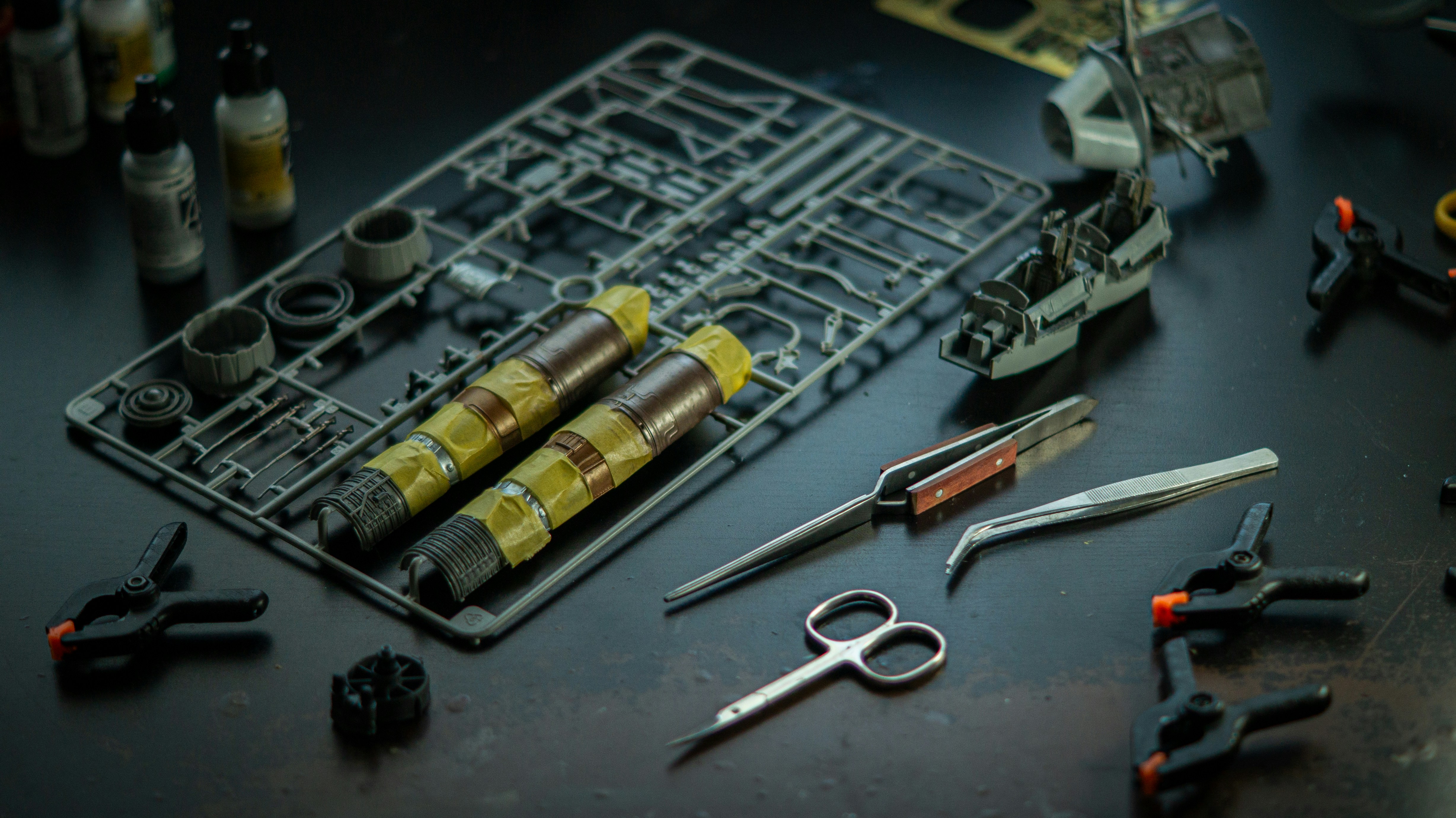
Right to repair laws are picking up steam worldwide, and for good reason. In the world of VR and AR, where hardware evolves fast and obsolescence comes quicker than most warranties expire, being able to replace a part instead of the entire device is becoming essential. This isn’t just about saving cash it’s about cutting down on e waste and giving users more control over what they own.
Modular components are at the heart of this shift. Instead of glue sealed headsets or proprietary screws, we’re seeing gear designed with accessible parts think swappable headbands, replaceable lenses, and detachable sensors. This makes upgrades simpler and extends the device’s life well beyond the launch cycle.
Some brands are starting to get it. Companies like RealEyes and ModuTech are building headsets designed for component swapping. Upgrading your visuals, battery, or tracking system doesn’t mean tossing your rig it means swapping a part. That modular mindset supports long term use and reduces landfill clutter.
For AR and VR to be sustainable, this kind of build it better thinking isn’t optional. It’s the new baseline. Creators, professionals, and casual users alike everyone benefits when fixing things becomes part of the design.
Case Studies: Hardware Leading the Eco Pack
Sustainable design in the VR and AR space is becoming more than just a buzzword. Forward thinking hardware brands are making deliberate eco conscious choices not just in materials, but in performance, durability, and lifecycle impact.
Notable Devices with Green Thinking
A growing number of headsets are now being built with environmental considerations from the ground up:
HTC’s VIVE Flow: Lightweight and efficient, the VIVE Flow uses fewer materials and is designed for low power consumption ideal for mindful tech use.
Pico Neo 3: Made with partially recycled plastics and shipped in reduced footprint packaging, this headset represents a step in the right direction.
Varjo Headsets: Known for professional grade AR/VR, Varjo engages in responsible sourcing and builds devices with long term durability in mind.
These companies are setting examples showing that performing well and being eco conscious don’t have to be at odds.
Startups Driving Green Innovation
While large tech brands are slowly adopting greener practices, many startups are pushing the envelope with innovation first approaches:
Lynx: This mixed reality company emphasizes openness, modularity, and minimal environmental impact in its design philosophy.
OpenXR backed Initiatives: Some open source projects tied to OpenXR standards are being developed with sustainability in mind, promoting compatibility and reuse across devices.
Upstart hardware labs: Smaller firms are exploring materials like bio resins and hemp based composites for casing and pads. Their freedom from legacy components allows cleaner, greener experimentation.
These agile newcomers often move faster than the giants bringing fresh, eco friendly design ideas to market well ahead of industry standards.
AR Hardware That Performs and Respects the Planet
Professionals relying on AR tech for design, training, and field tasks are demanding not just performance, but responsible innovation. Our partners at Core Virtual Tech have highlighted some of the industry leaders in this space.
Read the full guide to AR hardware for professionals, which dives deep into devices balancing high tier specs with thoughtful sustainability.
Whether you’re a sustainable tech advocate or industry pro, these case studies show that green hardware is no longer niche it’s the new benchmark.
What Consumers Can Do Now
Before you hit the checkout button on that new VR or AR headset, hit pause. Ask a few simple but telling questions: What’s this device made from? Can I repair or upgrade it later? What happens when I’m done using it? If the brand can’t give clear answers, that’s a red flag.
Support companies that actually back up their green marketing. Many now publish life cycle assessments (LCAs), which break down the environmental cost of each product from manufacturing to disposal. If a brand’s serious about sustainability, their LCA should be easy to find and easy to understand.
And when it’s time to move on from old gear, don’t just shove it in a drawer or toss it in the trash. Look for certified e waste recycling programs or donation initiatives some brands even offer take back programs when you upgrade. Clearing your tech drawer the right way keeps materials in the system and waste out of landfills. A little extra effort goes a long way when the goal is something bigger than just the next unboxing.
Looking Ahead: Sustainability as a Standard, Not a Feature
Environmental impact is no longer an afterthought it’s rapidly becoming a baseline requirement. In the next few years, expect stricter regulations on electronic waste, carbon reporting, and material sourcing. Governments are already beginning to push for transparency across supply chains, and VR/AR hardware won’t be exempt. Brands that get ahead of this curve tracking emissions, sourcing renewables, listing material origin will dodge penalties and win trust.
Materials are changing, too. Recyclable alloys, plant based polymers, even biofabricated lenses are making their way into prototype labs and early production runs. It’s not just about looking green it’s about building devices that perform and endure, without leaving behind long term damage.
Then there’s the human factor. Developers, designers, and AR/VR specialists have more influence than they think. By choosing efficient processes, selecting better components, and challenging manufacturers to build sustainably, professionals can directly shape the market. The choices you make during development echo far beyond launch day.
Consumers play a part, too. Buying patterns shape product roadmaps. Supporting sustainable features with your wallet tells companies where to double down. And the good news? You don’t have to compromise performance to do it.
For more on this frontier of hardware evolution, take a closer look at AR hardware for professionals.