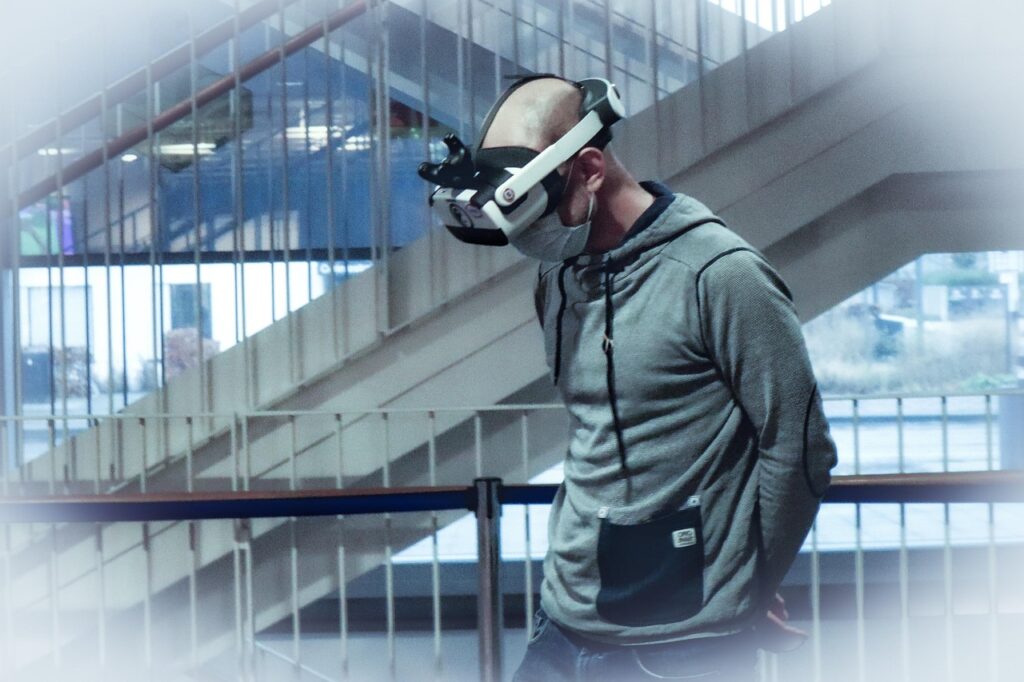
The Competitive Scene Is Getting Real
VR esports is no longer a niche it’s stepping into the spotlight with force. Tournaments now rival traditional esports in size, production value, and prize pools. What started as experimental brackets in early access games has turned into full scale global leagues. We’re talking pro teams, packed digital arenas, and stakes high enough to draw mainstream sponsorships.
Titles built exclusively for VR especially in FPS, rhythm, and battle arena genres are developing strong competitive scenes. And they’re not just fun to play. Thanks to major upgrades in streaming tools and real time viewer interaction, they’re becoming just as watchable as anything on the traditional esports circuit.
Organizers are already planning massive 2026 tournaments, many of them broadcast ready out of the box. Whether it’s a 1v1 lightsaber duel or a 5v5 tactical shootout in a virtual warzone, VR esports is gaining both traction and legitimacy fast.
Explore the full future of VR esports
The Skill Set Is Evolving

Beyond Reflexes: What VR Demands
Traditional esports players rely heavily on lightning fast reflexes and top tier hand eye coordination. While those fundamentals still matter in VR, immersive competition introduces new physical and cognitive layers:
Spatial awareness is now essential for navigating 180 and 360 degree virtual environments.
Endurance and stamina factor into long sessions of full body gameplay.
Balance and posture influence reaction speed and in game performance.
Training for the Next Generation of Play
To meet the demands of virtual competition, a new breed of training is emerging:
VR dojos and training apps offer tailored conditioning for movement precision, timing, and recovery.
Coaches and esports organizations are designing drills specific to immersive gameplay mechanics.
Focused practice helps players build neural speed and decision making under motion intensive scenarios.
Physicality Is the New Meta
Esports traditionally encouraged long hours at a desk. VR flips that model. Competitive players are now cross training between digital and physical disciplines to maintain an edge:
Flexibility work aids directional movement in rhythm and arena titles.
Reaction drills offscreen train mental agility that directly translates in VR battles.
Those transitioning from traditional esports still benefit but must adapt to physical immersion.
Want More?
For a deeper look at how VR esports is reshaping player development, see the full report: future of VR esports
Eyes on the Market
VR esports isn’t a fringe experiment anymore it’s turning into a full grown industry. Projections show the global VR esports market surging toward multi billion dollar revenue by 2026. That growth isn’t just hype. Investment is pouring into headsets, accessories, and platforms built specifically for competitive VR play. The demand isn’t just coming from players; it’s coming from brands, sponsors, and advertisers who see staying power in the space.
Indie game developers are also jumping into the ring. They’re building VR native titles from the ground up games designed for competition, not just casual immersion. The result? A wave of fresh formats and gameplay mechanics that are unique to full body, motion based experiences. That innovation feeds the ecosystem, giving players, fans, and investors something new to back.
Sponsorships, licensing, and merchandising are maturing fast. We’re moving beyond tournament prize pools into sustainable revenue streams across teams and titles. Smart partnerships with fitness wearables, educational platforms, and mainstream tech firms are helping blur the lines between entertainment, health, and learning. That crossover appeal is exactly what’s pushing VR esports into the cultural mainstream and unlocking serious financial momentum.
What to Watch
The next wave of VR esports is already taking shape, and it starts with college leagues. Universities are investing in VR programs and competitive circuits, pulling esports even further into the mainstream. Expect to see formal VR leagues at the campus level by 2026, complete with scholarships, sponsorships, and national championships.
But the spotlight isn’t just on student competitions. Cross reality tournaments where players compete in virtual spaces while fans watch live or in hybrid venues are where the line between physical and digital entertainment blurs. With better streaming tech and multi angle VR spectator modes, these events feel less like experiments and more like the next big thing.
Supporting all of this, the gear is catching up fast. We’re talking lighter headsets, more natural movement controls, full body haptics not just gimmicks, but tools that are redefining what it means to compete. Athletes train harder when the tech can keep up.
Big brands are watching, and they’re not waiting. Esports sponsors, apparel companies, and hardware manufacturers are laying bets on what sticks. If there’s a rule in this space, it’s this: evolve fast or fall behind.
Want to keep up? Start tracking shifts now with the full breakdown on the future of VR esports.