What Mixed Reality Really Means Now
The term “mixed reality” gets tossed around a lot, but too few step back to map the full spectrum. On one end, you’ve got augmented reality (AR) think mobile overlays, filters, and low friction tech that adds digital info to the physical world. On the other end is virtual reality (VR) fully immersive, screen bound environments where nothing around you is real but the experience feels vivid.
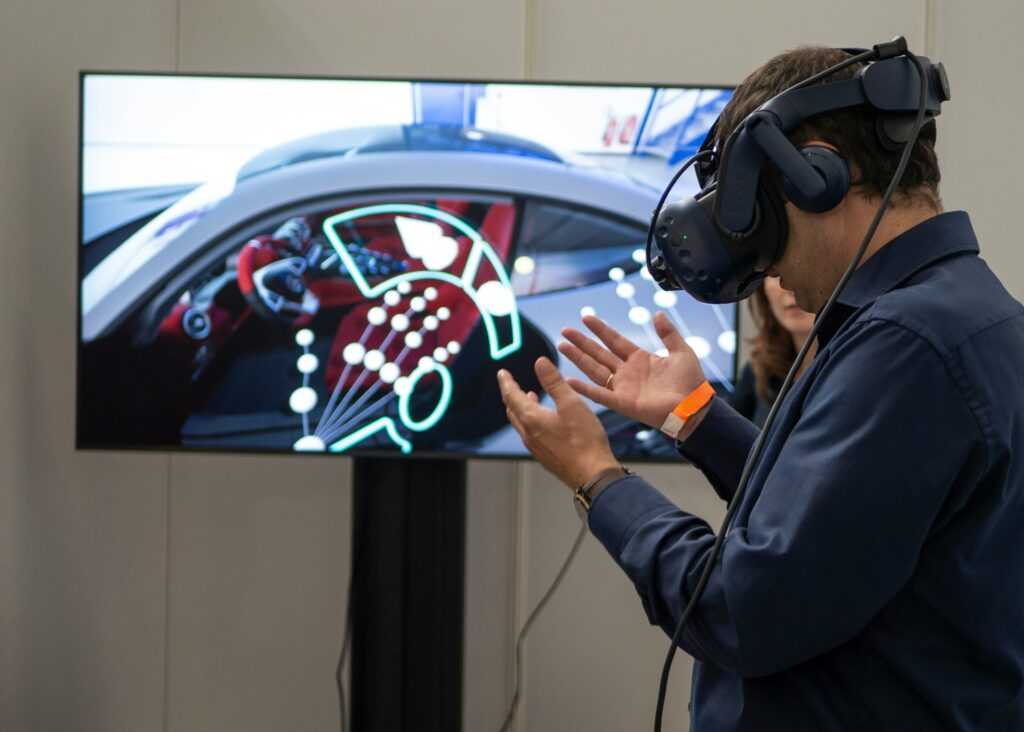
In between and gaining ground fast is the real promise: immersive tech that blends the digital with the physical in responsive, context aware ways. This is where mixed reality (MR) comes in. It’s not sci fi goggles or gimmicky headset demos anymore. MR means real, layered interactivity. You can manipulate digital objects anchored in real world space and have them react back. Your room, your movement, and even your eye line matter.
For vloggers, brands, educators this isn’t a sideshow. It’s a changing canvas. The leap from isolated experiences to blended ones means users don’t just watch they explore. MR isn’t hype; it’s infrastructure. It’s the foundation for how we’ll tell stories, sell products, and train workers moving forward. Creators who learn to speak this new form of spatial language will be a step ahead. Everyone else will be catching up.
Key Drivers of Mixed Reality Growth
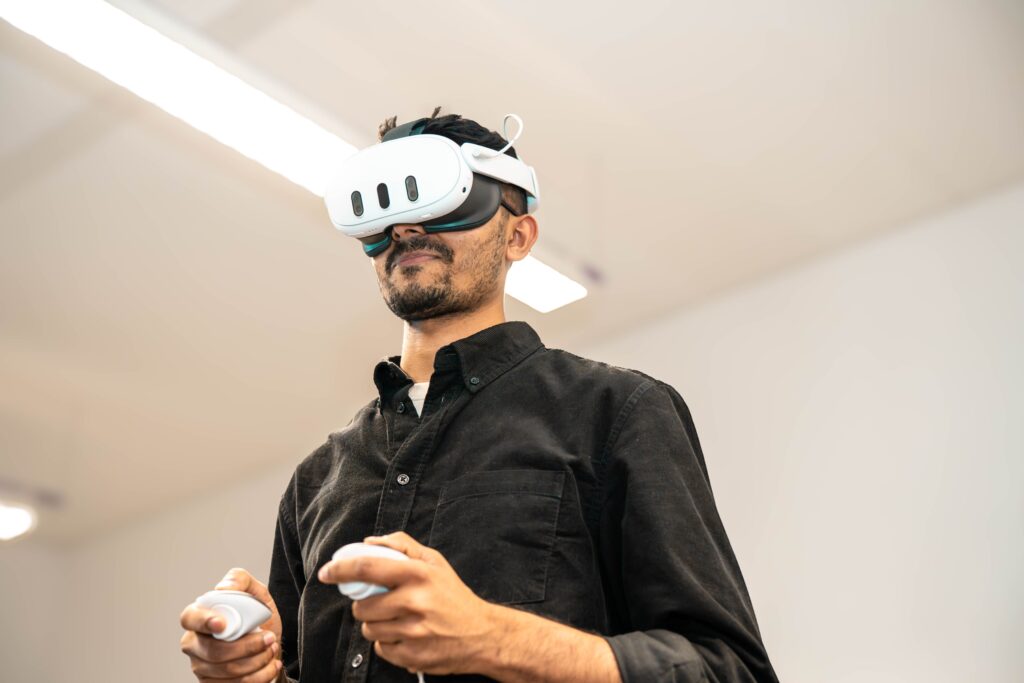
The backbone of today’s mixed reality boom isn’t the flashy experiences it’s the tech quietly getting better in the background. Wearable devices have moved beyond chunky headsets. Now we’re talking about lightweight, high res, spatially aware gear that maps your surroundings in real time. Combined with advances in spatial computing, users aren’t just seeing overlays they’re interacting with environments that react and respond.
But none of this works without a strong pipeline. That’s where 5G and cloud computing come in. These systems handle the heavy lifting, offloading data processing from the headset and allowing MR apps to run faster, leaner, and from anywhere. High bandwidth and low latency aren’t just nice to have they’re becoming non negotiable for smooth, real time experiences.
And the user expectation? Total fluency between digital and physical. People want to walk through a room and get digital context without losing situational awareness. They expect MR to work like muscle memory natural, reliable, and fast. That seamless interaction is a big reason this tech is moving from fringe demo to everyday tool.
Practical Use Cases On the Rise

Mixed reality isn’t just demo fodder anymore it’s showing up where performance, safety, and visualization really count.
In healthcare, mixed reality is streamlining how surgeons train, plan procedures, and collaborate. Instead of textbook theory, trainees can now explore organs in 3D, rehearse complex surgeries in near real environments, and even get real time overlays during operations. It’s faster, more immersive, and reduces mistakes when lives are on the line.
Public safety is tapping into similar tools. Police and emergency responders are using MR to simulate high stress environments without real risk violent incidents, fires, natural disasters. You don’t just train someone to follow protocol, you prepare them to think under pressure. The result? Sharper judgment, faster reactions, better outcomes.
In industrial design, engineers can prototype machines or systems at full scale before a single part is manufactured. Mixed reality lets them walk around digital mockups, spot flaws, and stress test ideas in simulated conditions. It cuts time, cost, and wasted materials.
Meanwhile, in retail, MR is bridging the online offline gap. Think virtual try ons, spatial product placement, and real time customization. Customers stay in control, but retailers get deeper insight into how people shop. That’s not just tech for tech’s sake. It’s future proofing the shopping experience.
And then there’s digital twins virtual copies of buildings, infrastructure, even cities. Architects and planners are layering MR over real spaces to test traffic flow, construction plans, and sustainability models. It’s a smarter way to plan less guesswork, more data driven design.
Environmental Implications and Potential
For all the flash and hype surrounding mixed reality, one of its most grounded strengths is in how it can help us plan better and more sustainably. MR tools, especially when paired with robust datasets, can simulate outcomes long before a shovel hits the dirt or a policy gets rolled out. City planners use it to model traffic flows and green space impact. Architects can visualize solar exposure or energy efficiency in real time. It’s not guesswork anymore. It’s simulation driven foresight.
Virtual reality is taking sustainability modeling even further. In this deep dive on VR for environmental impact, simulations are being used as testbeds for policy, construction, and disaster response. Want to understand the long term environmental trade offs of a coastal development? Run it in VR. Need to gauge how a neighborhood might respond to rising temperatures? There’s a model for that.
This kind of virtual experimentation allows for smarter, lower risk decisions. Bad ideas can get scrapped early. Good ones can get backed by clear visual data. It saves time, protects resources, and brings clarity to complex ecological and infrastructure planning challenges. MR isn’t just designing experiences it’s helping us design a better future.
Challenges Holding MR Back
Mixed reality might be charging ahead in vision, but reality is still catching up. First, there’s the hardware bill. High end MR headsets can cost more than a decent laptop with few affordable alternatives that don’t compromise on quality. That locks out a chunk of would be users and creators, especially outside enterprise and education budgets. Accessibility isn’t just about price either; device availability still varies wildly by region.
Then there’s the user experience. Some users still report nausea, eye strain, or general discomfort after just 15 minutes in MR environments. UX design hasn’t kept pace with the hardware, and that’s a problem. Interfaces remain clunky, spatial feedback varies by platform, and onboarding isn’t intuitive.
On top of that, the tech landscape is fragmented. One company’s breakthrough doesn’t always work with another’s system. There’s no gold standard for MR development yet, and without shared frameworks, creators are stuck reinventing the wheel. Innovation is moving faster than standardization, which means great ideas sometimes get lost in translation or stuck waiting for wider compatibility.
Until MR becomes cheaper, easier to use, and more unified, these hurdles will keep it from scaling at the speed many predict.
Looking Ahead: What’s Next for Mixed Reality
Mixed reality used to live in the lab or inside clunky helmets. Not anymore. Headsets are getting lighter, cheaper, and more wirelessly connected, breaking down one of the last big barriers to wider adoption. That evolution isn’t just about comfort it’s what’s making MR practical at scale. When the tech fades into the background, the experience takes center stage.
What’s more interesting is where MR is going, not just how it looks. We’re seeing industries that never used to talk to each other think education, energy, and urban planning now collaborating through these platforms. A teacher and an architect might operate in the same digital space now. That’s happening.
The long game? Persistent, shared virtual environments that aren’t just cool to look at they actually influence real decisions, policies, and outcomes. It’s not hype. Simulated worlds are being used to model flood zones, test new energy grids, and rethink city layouts. If you’re still thinking of MR as a toy, readjust. It’s turning into infrastructure.
Want to see it in action? Check out how VR is impacting environmental assessments. It’s one of the most grounded, high impact examples of how these tools are starting to matter in the real world.