What Haptics Really Means in Virtual Reality
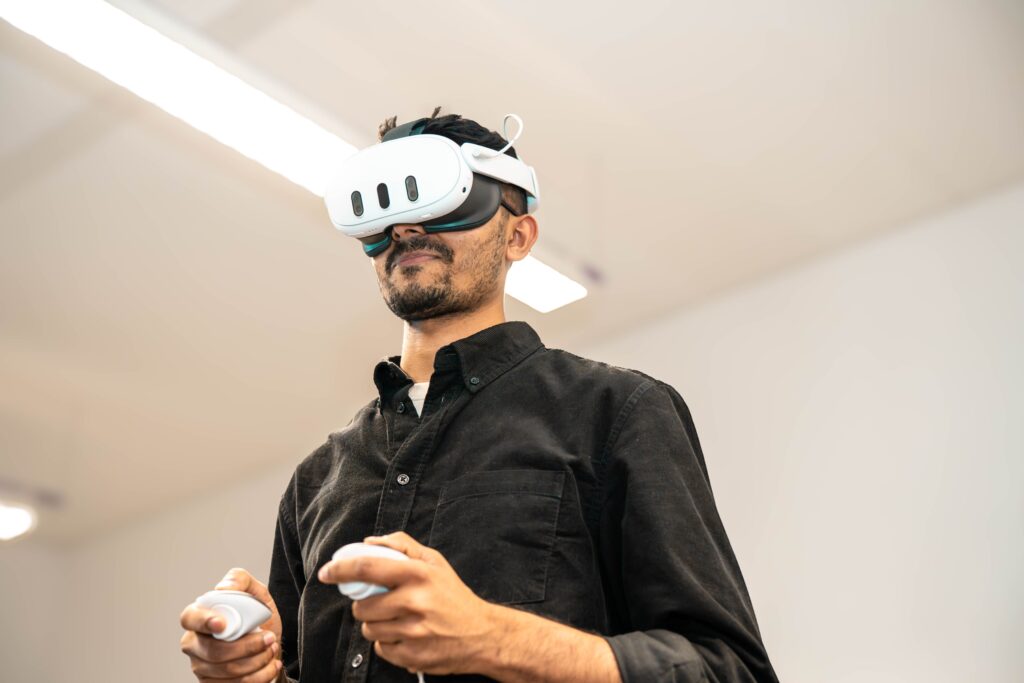
Haptic technology is all about touch specifically, simulating the sense of touch in digital environments. In its simplest form, that can mean a buzz in your phone when you get a text. But in VR, haptics go far beyond a gentle nudge. We’re talking about re creating the feel of grabbing, pushing, tapping, or brushing against something that isn’t actually there.
The evolution has been rapid. Early haptics relied on basic vibrations think game controller rumbles and phone alerts. Now, it’s heading toward refined sensations: textures, resistance, precision feedback. Today’s haptic devices can simulate the tension of a bowstring, the snap of a trigger, or the softness of fabric. That’s not future speak it’s already here in prototype gloves, suits, and hand held devices.
So why does this matter? Because touch brings realism. Vision and sound can only take you so far. Real immersion happens when your brain starts to believe the virtual space has physical weight. Haptics is what bridges that gap. It’s the tactile layer that makes virtual reality feel less like a screen and more like a place you’ve actually stepped into.
Haptics isn’t just a gimmick. It’s becoming the foundation of believable, embodied interaction. Without it, VR risks staying impressive but distant. With it, suddenly, it all feels real.
Milestones and Current Capabilities
VR haptics aren’t just vibrating handles anymore. In the last few years, we’ve seen prolific advancements in the physical tech gloves that mimic texture, suits that simulate impact, and sensory controllers that track subtle finger movements. These aren’t prototypes sitting in labs. They’re hitting markets and getting field tested by creators, developers, and enterprise teams.
Under the hood, material science has picked up speed. Flexible polymers, smart textiles, and micro actuators are letting hardware stretch, bend, and press back with pinpoint accuracy. It’s not science fiction it’s pressure sensitive cloth and fingertip pads that deliver nuanced tactile feedback. The once bulky kits are becoming lighter and more wearable.
And then there’s latency and force feedback the two big headaches. Strides in real time processing and signal compression have shaved precious milliseconds off response times. That means your punch lands when you punch, not a moment later. Pressure gradients feel more real, too. Systems now offer gradients of touch: soft, firm, sudden. Not perfect yet, but a noticeable leap.
Some of this is bleeding edge, but much of it is already shipping. The gap between virtual and physical is closing one layer at a time.
Explore the latest in haptic feedback tech
Where VR Haptics Is Already Making an Impact
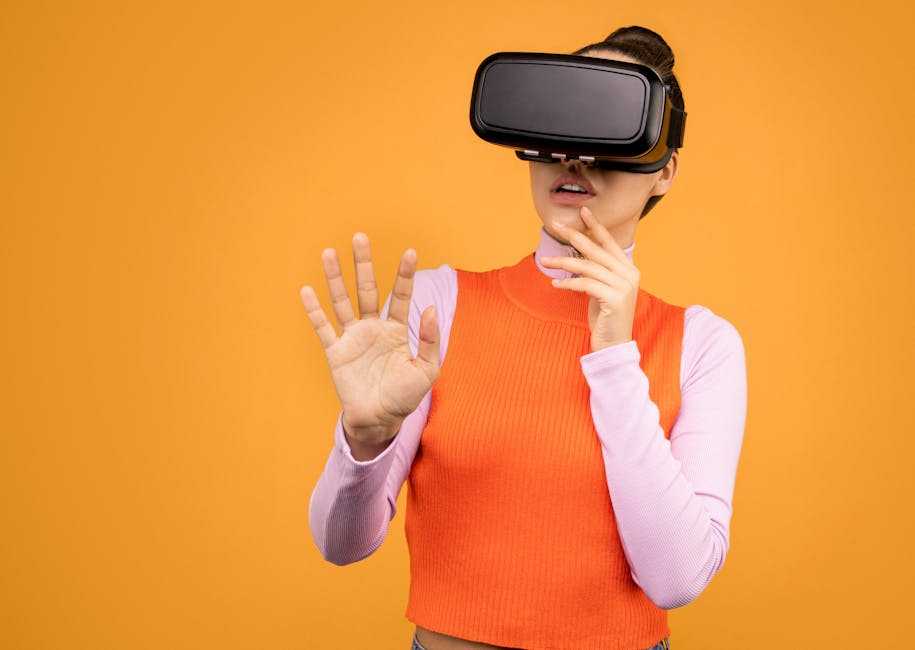
Haptic feedback is no longer theoretical it’s here, and it’s quietly reshaping how we experience digital environments across industries.
In gaming, haptics brings the fiction to life. Whether it’s the recoil of a digital weapon or the crunch of gravel under your boots, players are feeling more of the action. This isn’t just buzz responsive mechanics are making gameplay more reactive, more emotional, and more immersive. Players don’t just see impact, they sense it.
In healthcare, surgeons are training with virtual instruments that push back like real ones. Therapy sessions, especially for rehab or PTSD treatment, are using haptic enabled VR scenarios to engage the body and mind together safely and repeatedly. For practitioners, it’s precision; for patients, it’s presence.
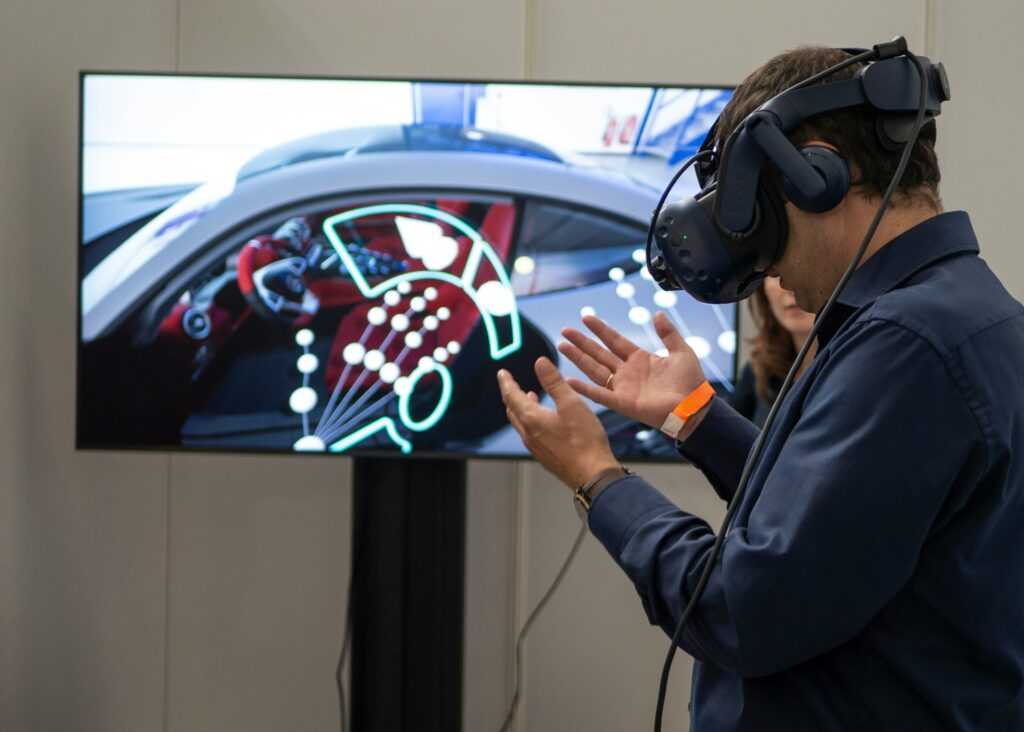
Education and training are seeing gains too. Military teams and field workers can practice high stakes tasks in low risk settings. Engineers and technicians are using VR combined with haptics to simulate complex hands on procedures, down to the tension of wires or the click of a gear locking into place. Mistakes are teachable moments not disasters.
In e commerce and social VR, touch is a game changer. Shoppers can feel fabric textures or simulated weight through wearable haptics. Social platforms are testing ways to replicate handshakes, high fives, and even hugs a step toward making virtual presence feel much less virtual.
These aren’t gimmicks. They’re functional additions doing real work across sectors. And with every iteration, they’re getting sharper, smarter, and closer to real.
The Challenges That Still Exist
Haptic technology is impressive, but it’s not cheap or simple. High end gloves, suits, and multi point feedback systems often come with a five figure price tag. That’s fine for research labs or defense contracts, but not sustainable for everyday creators or mid size businesses trying to scale VR experiences.
On the software side, it’s a fragmented mess. Many haptic devices are locked to specific platforms or apps. That means developers have to deal with compatibility headaches, custom APIs, and inconsistent toolsets. There’s no standard language for haptics yet, and until there is, wider adoption is going to crawl.
Then there’s the sensory gap the stuff today’s tech still can’t imitate. We’re not yet close to replicating the nuance of texture, temperature shifts, or subtle changes in pressure elements that make real world touch so rich and intuitive. Most systems focus on force feedback or buzz level sensations. Fine grain realism? Still out of reach.
But some are starting to close the distance. Learn how innovators are closing the haptics gap.
What Comes Next in VR Touch
Next gen haptics isn’t just about better vibrations. It’s about layering sensory input adding thermal changes, spatial positioning, directional sound, even airflow into physical feedback. When a user touches a virtual object and feels not just resistance but heat or chill, paired with 3D sound and reactive force, you’re no longer simulating reality. You’re building one.
AI is playing a big role in this. Adaptive feedback systems are learning how users move, react, and interact, and adjusting the experience in real time. The goal: personalized, context aware touch that feels intuitive not scripted. It’s making training scenarios smarter, gaming more responsive, and remote collaboration feel a little more human.
The best news? We’re inching closer to consumer level pricing. Wireless, lightweight gear is moving from lab demos to pre orders. Developers are getting their hands on SDKs designed to scale across consoles, headsets, and standalone devices. That means more use cases, more creators building with haptics, and more users who can afford to feel what they see.
At its core, haptic evolution is shaping the way we’ll experience spatial computing. Vision Pro, Quest, and future AR/VR platforms aren’t just screen replacements they’re new environments. And in environments, touch matters. Haptics is how we ground digital spaces in physical intuition. It’s what makes the difference between watching and being there.